Cremation vs. Burial: How to Choose What's Right for Your Family
Cremation and burial are the two primary ways families in Illinois lay a loved one to rest. Cremation uses controlled heat to reduce the body to bone fragments, which are returned to the family in an urn. Burial places the body, embalmed or not, in a casket for ground interment. Illinois law sets a 24-hour waiting period before cremation, while burial can proceed once cemetery and transport arrangements are complete. Both options can include a full visitation, a service, and complete personalization.
If you're trying to decide between cremation and burial for someone you love, you don't have to have it all figured out today. This is one of the biggest decisions you'll make during an already hard time, and there's no single right answer for every family. Understanding how each option actually works, and what matters most to your family, can make the choice feel a little less overwhelming.
Grace Funeral & Cremation Services has been helping Rockford area families work through this exact decision since 2009. This article will walk you through what to know.
Cremation and Burial: The Core Differences
Burial means the body is placed in a casket and laid to rest in a cemetery plot, often after a traditional viewing. Cremation uses heat to reduce the body to bone fragments, which are then returned to the family in an urn. Neither choice limits your options for a viewing, a full service, or a gathering afterward. You can learn more about our cremation services or burial services whenever it's helpful.
One detail families ask about often is where the cremation itself actually takes place. Grace operates its own on-site crematory, so a loved one never has to be transported to a separate facility or handled by a third party. In our experience, that single fact brings real comfort to families who simply want their loved one to stay in familiar, caring hands from start to finish.
Questions Worth Asking Yourself First
There's no formula for this decision, but a few questions tend to help families sort through it:
- Did your loved one leave written wishes, or talk about a preference?
- Does your family have a cemetery plot already, or a tradition of ground burial?
- Do you want cremated remains kept at home, placed in a niche, or scattered?
- Is a viewing or visitation important to your family before the service?
- Does cost matter as one factor among several in this decision?
- Does an eco-friendly option matter to your family?
None of these questions has a wrong answer. They're simply a starting point for a conversation, whether that's with family members or with us.
Personalization Works With Either Choice
Choosing cremation does not mean giving up a traditional service, and choosing burial does not mean a rigid, impersonal one. Families personalize both routes with photo displays, favorite music, memory tables, and a celebration of life that reflects who their loved one actually was.
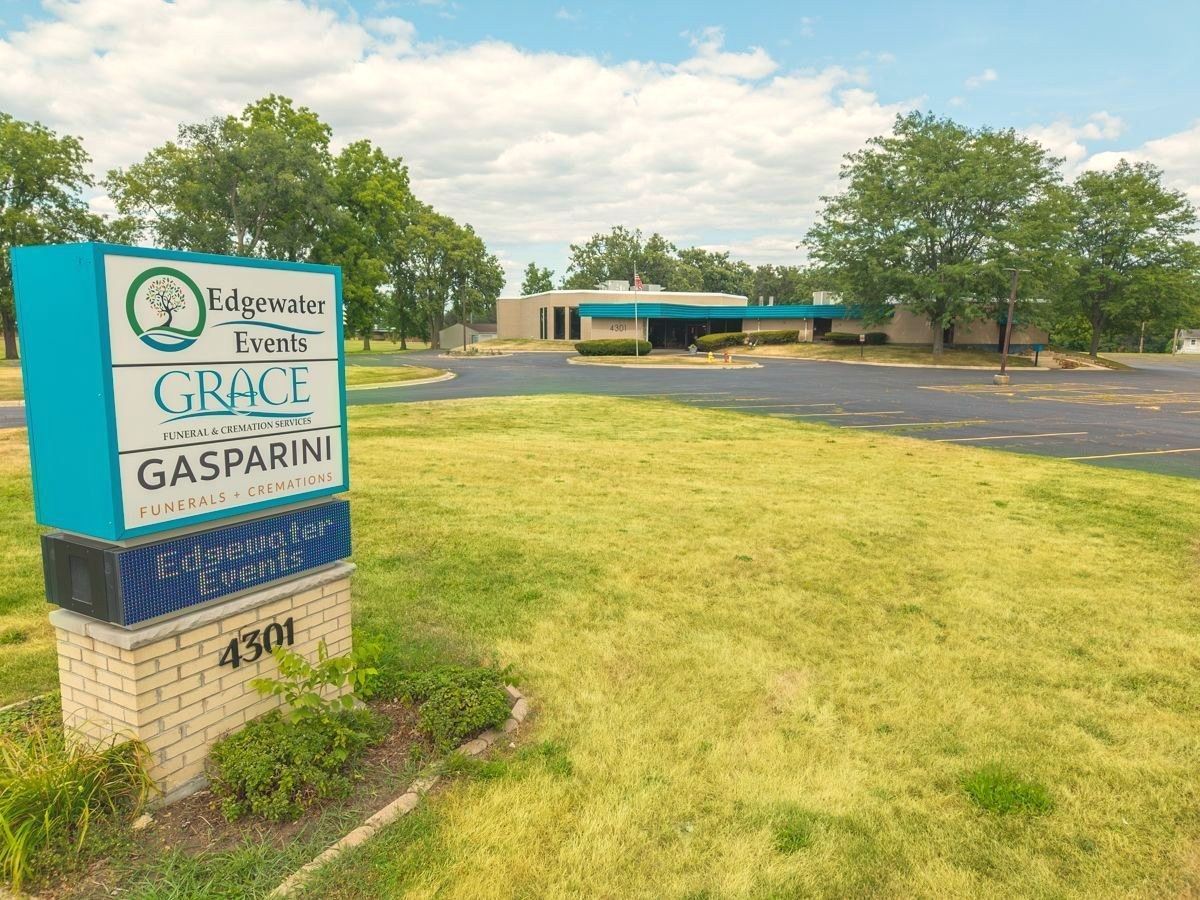
Grace's facility includes an on-site gathering room and reception room, so a visitation, a service, and a shared meal afterward can all happen under one roof, without moving your family from place to place during an already long day.
Eco-Friendly Alternatives: Aquamation and Green Burial
If environmental impact matters to your family, there are gentler alternatives to consider alongside traditional cremation and burial. Aquamation, also called water cremation or alkaline hydrolysis, uses water and gentle heat instead of flame, and Grace offers aquamation on-site. Green burial, arranged through partner cemeteries, uses biodegradable materials and skips embalming chemicals, returning the body to the earth more naturally.
Both options let you keep the meaningful parts of a traditional service, a visitation, a memorial, full personalization, while choosing a gentler footprint.
What Illinois Law Requires
Illinois law requires at least 24 hours to pass between the time of death and cremation, with narrow exceptions: a written waiver from the coroner or medical examiner when the person died of an infectious or dangerous disease, or a religious requirement. Burial has no equivalent statewide waiting period, though cemetery scheduling and transport logistics affect timing either way.
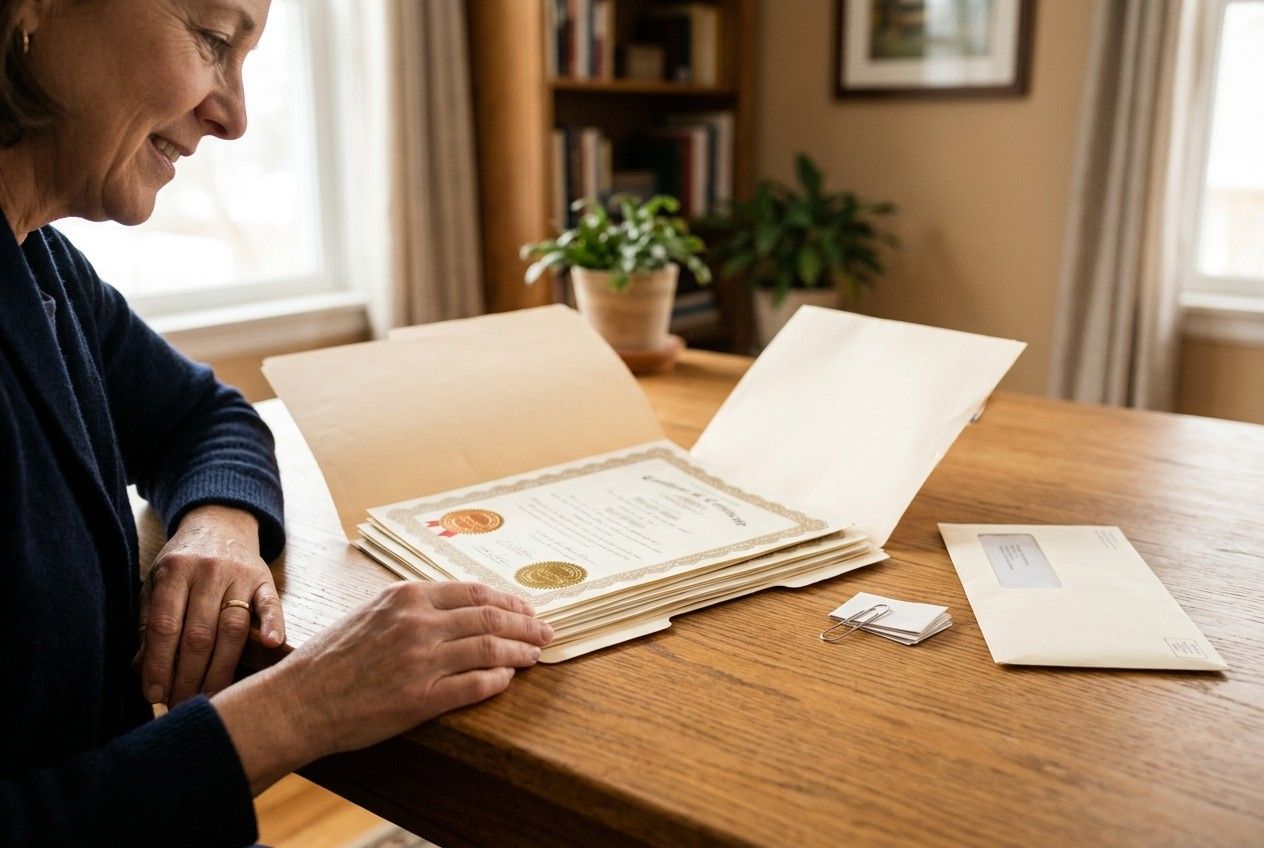
Illinois law also sets an order of priority for who has the legal right to decide between cremation and burial when a loved one left no written instructions, typically starting with a spouse, then adult children. A funeral director can walk you through exactly where your family falls in that order.
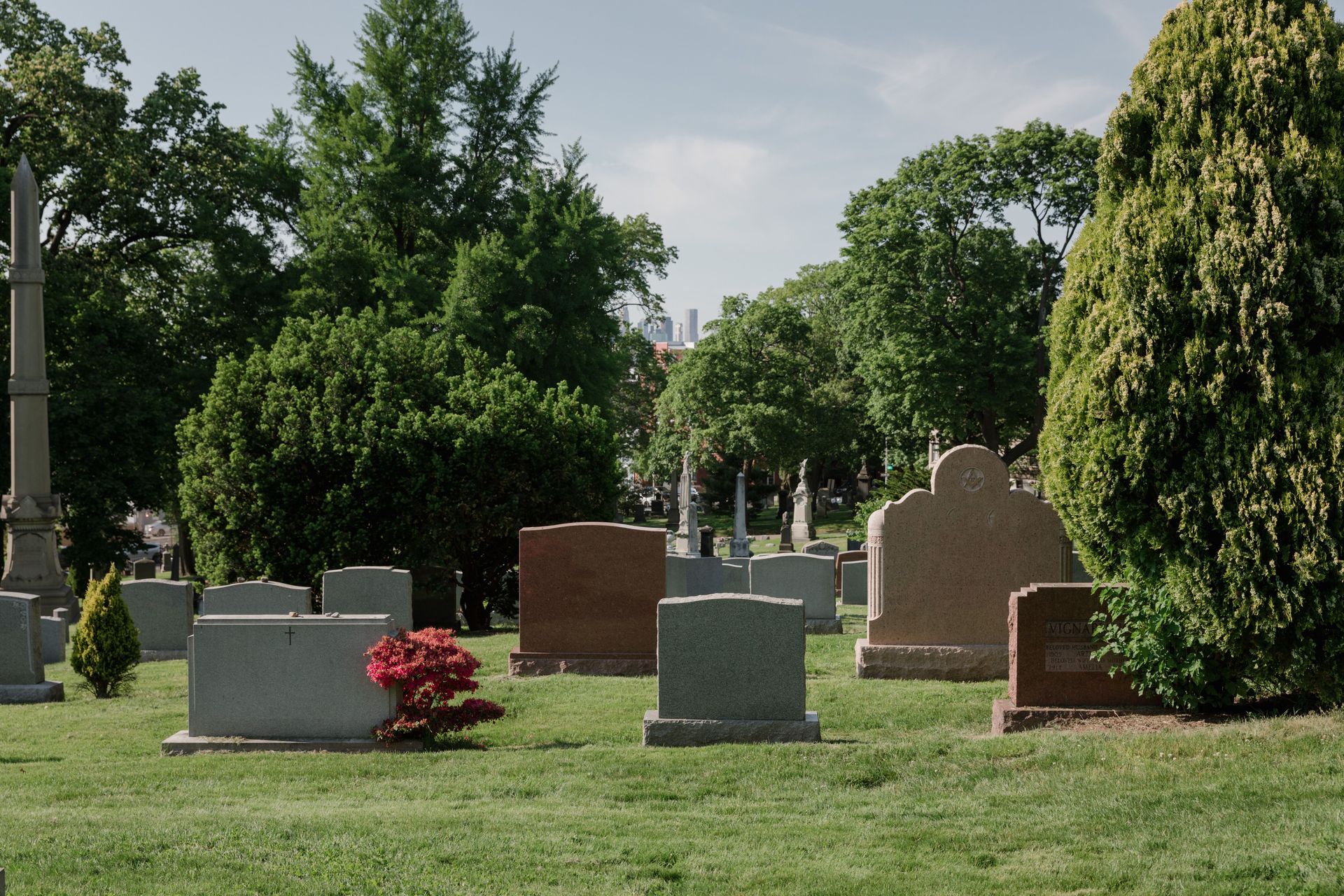
Local cemeteries vary by community. Rockford's Greenwood Cemetery, established in 1852, is the city's oldest and largest burial ground. We coordinate with cemeteries throughout the area, whichever one your family already has a connection to.
How Grace Helps You Decide, Without Pressure
You're welcome to sit down with our team and simply talk it through. Belen Jimenez is available for bilingual English and Spanish conversations, and every meeting moves at your pace, not ours. If you'd rather think it over privately first, our free step-by-step guide comparing burial and cremation walks through the same questions on your own time.
Families in the Roscoe area can also find community-specific details on our Roscoe cremation services page, and Rockford-area families can review the factors that shape cremation costs in Illinois on our resource page, without any pressure to decide before you're ready.
Frequently Asked Questions About Cremation and Burial in the Rockford Area
What is the main difference between cremation and burial?
Burial places the body, usually embalmed and in a casket, into a cemetery plot for ground interment. Cremation uses controlled heat to reduce the body to bone fragments, which are returned to the family in an urn. Both allow for a full visitation, service, and personalization beforehand; the difference is what happens to the body afterward, not what kind of service your family can have.
Can I still have a viewing or visitation if I choose cremation?
Yes. Many families choose a full traditional viewing and service before cremation takes place. Cremation only affects what happens after the service, not whether you can gather, view your loved one, or hold a traditional funeral first. Talk with your funeral director about timing if a viewing matters to your family.
How is aquamation different from cremation?
Aquamation, also called water cremation or alkaline hydrolysis, uses water flow and gentle heat rather than flame to return the body to its basic elements. It's often chosen by families who want a gentler, more eco-conscious alternative to flame cremation while still receiving cremated remains afterward. Grace offers aquamation.
How soon after death can a cremation happen in Illinois?
Illinois law requires at least 24 hours to pass between the time of death and cremation, with narrow exceptions: a written waiver from the coroner or medical examiner when the person died of an infectious or dangerous disease, or a religious requirement. Burial timing depends more on cemetery scheduling and family logistics than on a fixed legal waiting period.
Who legally decides between cremation and burial for a loved one?
If your loved one left written instructions, those are generally followed. Without written instructions, Illinois law sets a priority order for who may decide, typically starting with a surviving spouse, then adult children. A funeral director can help clarify exactly where your family falls in that order.
Can my family choose a green burial in the Rockford area?
Yes. Grace arranges green burial through partner cemeteries that support biodegradable caskets and natural burial practices without embalming chemicals. It's a good option for families who want a more natural return to the earth while keeping a meaningful, personalized service.
Whenever you're ready to talk it through, we're here. There's no pressure and no obligation, just people who know how to help you think it through. Call Grace Funeral & Cremation Services any time at (815) 395-0559; we're available 24 hours a day, seven days a week, or reach out online whenever it works for you.