The Funeral Planning Process: A Step-by-Step Guide
Planning a funeral often happens during a time when families are still processing the reality of a loss.

Even straightforward decisions can feel difficult when they arrive alongside grief, exhaustion, and concern for other family members. For someone who has never arranged a funeral before, simply knowing what happens next can provide some reassurance.
While every family's circumstances are different, funeral planning generally follows a series of manageable steps. Understanding those steps ahead of time can help families know what to expect and focus on creating a farewell that genuinely reflects the person they love.
Step 1: Contact a Funeral Home
After a death occurs, one of the first calls a family will make is to a funeral home. The funeral director can explain what needs to happen based on where and how the death occurred and begin coordinating the transfer of your loved one into their care.
If the death occurs at a hospital, nursing facility, or hospice, staff members will usually provide some initial guidance. When a death occurs at home or under different circumstances, additional procedures may be required.
Families who are currently facing a loss can review what to do when there is an immediate need for additional guidance on the first steps.
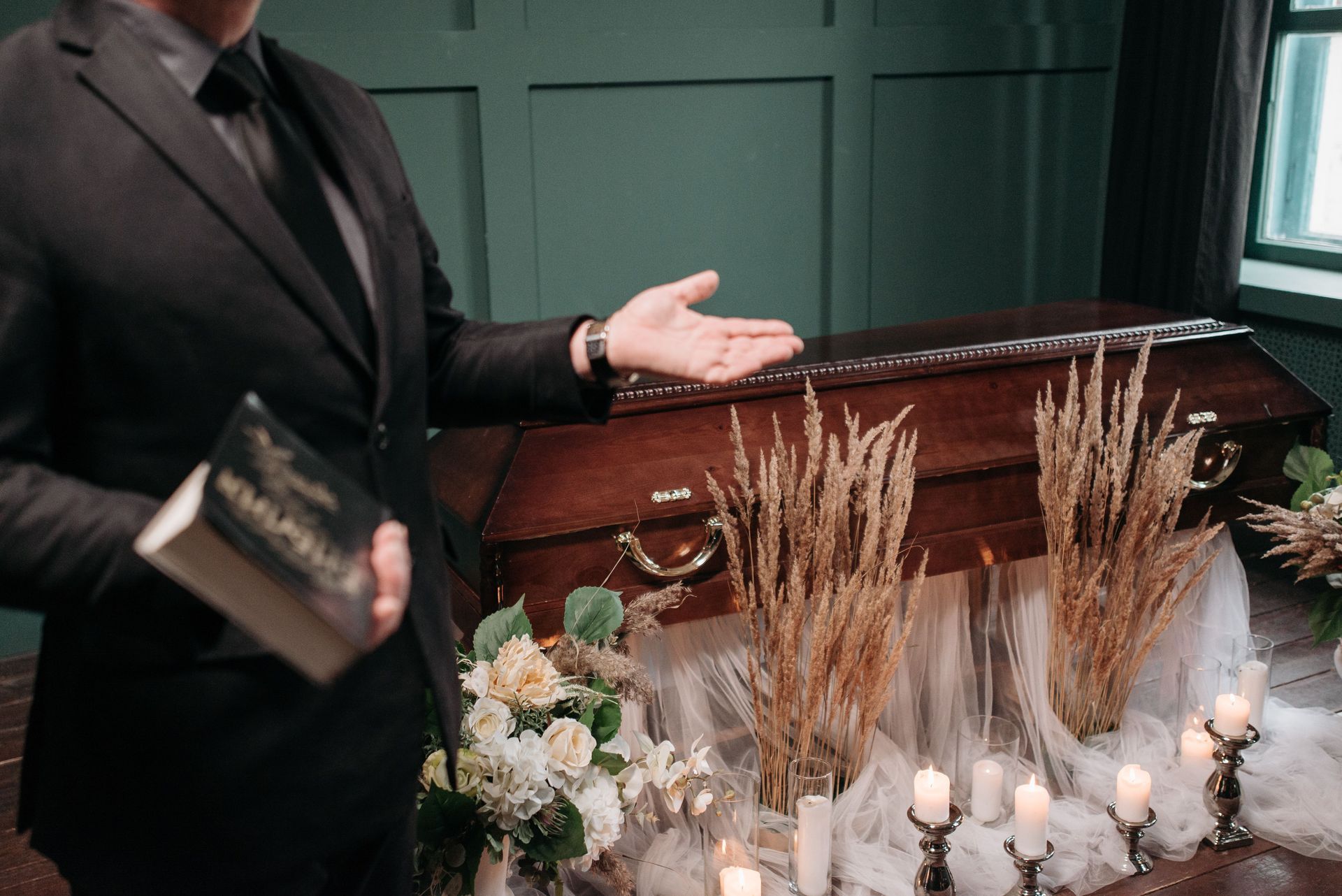
Step 2: Meet with the Funeral Director
The arrangement conference allows family members to discuss their loved one's wishes and begin making decisions about the funeral.
You do not need to arrive knowing exactly what you want. A funeral director's role includes explaining available choices, answering questions, and helping you understand what decisions need to be made.
The conversation may cover burial or cremation, visitation, the type of ceremony, cemetery arrangements, clergy or celebrant participation, and other details. If your loved one made arrangements in advance, those records can provide valuable direction.
Bringing important information and documents can also make the process easier. Depending on the circumstances, this may include identification, biographical details, military discharge documents, cemetery information, and any existing pre-arrangement paperwork.
Step 3: Decide Between Burial and Cremation
One of the primary decisions involves choosing the form of final disposition.
Some families select traditional burial because of religious beliefs, family traditions, or the desire for a permanent gravesite. Others choose cremation because it aligns with their loved one's preferences or provides greater flexibility for future memorialization.
Neither choice determines what kind of ceremony a family can have. Cremation can still include a visitation and funeral, while burial can accompany either a traditional service or a more personalized celebration of life.
Understanding the available funeral and cremation options can help families decide which arrangements best reflect their wishes.
Step 4: Plan the Ceremony
Once the primary arrangements have been determined, attention can turn toward the service itself.
A funeral or memorial ceremony provides an opportunity for people to gather, acknowledge the loss, and remember the individual together. The ceremony may follow religious traditions, incorporate cultural customs, or take a less formal approach centered around storytelling and remembrance.
Consider what your loved one valued during their lifetime. Favorite music, meaningful readings, photographs, hobbies, career accomplishments, and family traditions can all help shape the service.
The goal is not to create an elaborate event. It is to create a gathering that feels sincere.
Step 5: Select Personal Details
Small details often become some of the most memorable parts of a funeral.
Families may choose photographs for a tribute display, songs for different portions of the ceremony, flowers with personal significance, or keepsakes that represent an important hobby or accomplishment.
You may also need to select pallbearers, decide who will deliver a eulogy or reading, and determine whether family members would like to participate in other ways.
For a veteran, this is also the time to discuss eligibility for military honors. Grace Funeral & Cremation Services can help families explore veteran services and military funeral honors when appropriate.
Step 6: Prepare the Obituary and Notify Others
An obituary serves both a practical and personal purpose. It informs the community of a death while preserving a brief account of someone's life.
Most obituaries include the individual's name, important family relationships, significant life accomplishments, and information about scheduled services. Families may also include hobbies, organizations, volunteer work, or personal qualities they would like remembered.
At the same time, relatives, friends, coworkers, faith communities, and other important people should be notified of the arrangements.
Delegating some of these calls and messages to trusted relatives can help reduce the burden on the immediate family.
Step 7: Allow Yourself to Be Present
Once arrangements have been made, families can turn their attention away from logistics and toward being together.
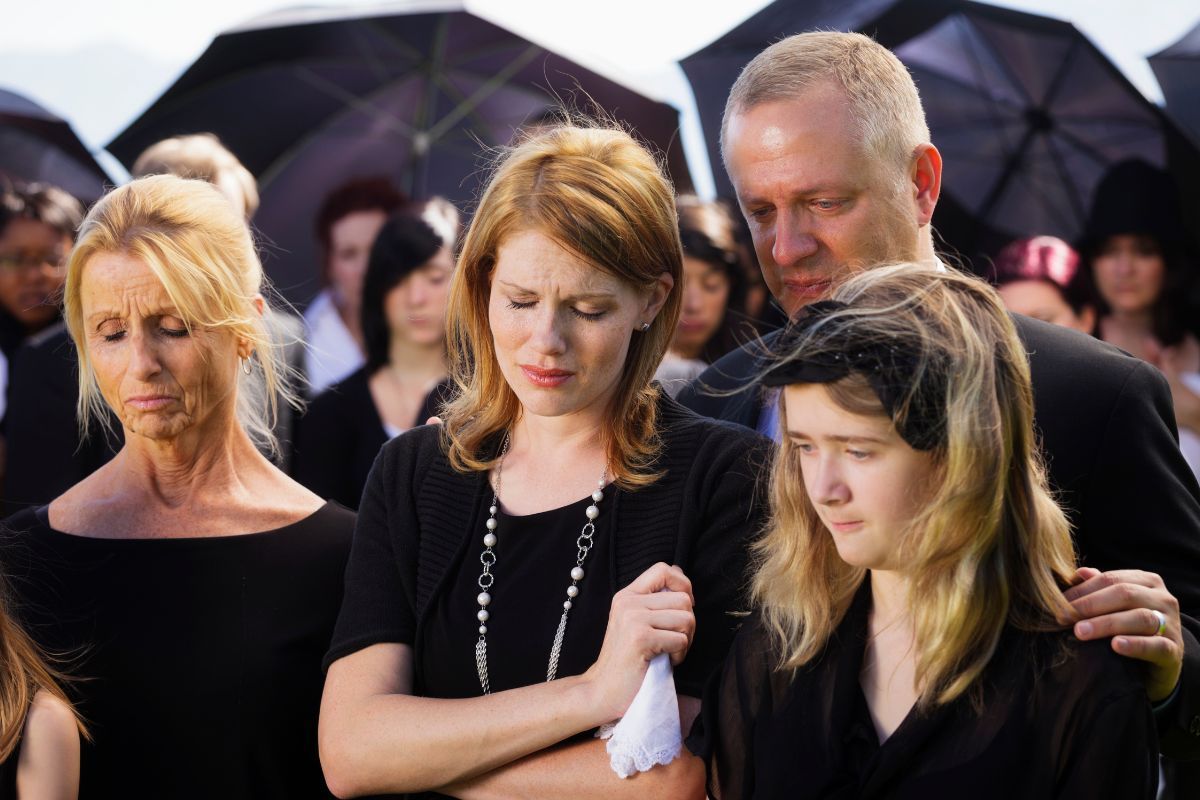
A funeral does not erase grief, but gathering with others can provide an important opportunity to acknowledge what has happened. Hearing stories, seeing familiar faces, and recognizing how many lives your loved one touched can bring moments of comfort during a painful time.
There is also no expectation that family members respond to the day in a particular way. Some people find themselves sharing stories and laughing between tears. Others may feel quiet or emotionally exhausted.
Whatever you experience is part of your own grieving process.
Planning Ahead Can Ease Future Decisions
Funeral planning does not always have to begin after a death.
Making arrangements in advance allows individuals to consider their preferences without the immediate emotional pressure of a loss. Decisions about burial or cremation, ceremony preferences, music, readings, and other details can be documented so loved ones have clear guidance later.
Exploring funeral pre-planning options can also create an opportunity for families to discuss wishes openly rather than leaving important decisions unanswered.
Guidance Through Each Step
Most people will only plan a handful of funerals during their lifetime, so it is completely understandable to have questions. Families should never feel expected to understand every detail before beginning the process.
Since 2009, Grace Funeral & Cremation Services has helped families in Rockford and surrounding communities navigate funeral planning with dignity, patience, and personalized attention. When your family needs assistance or simply wants to better understand what comes next, speak with our caring team for guidance based on your family's circumstances.